



Preventative Healthcare Is the Future: From Reactive Care to Predictive Wellbeing
Barney Kavai on why the next era of healthcare is preventative — and how GHS Medical Hub connects frontline care, point-of-care diagnostics and AI to intercept illness before crisis.

Most healthcare systems are brilliant at treating illness once it has already arrived — and badly designed for stopping it beforehand. Reactive care, responding to symptoms, hospitalisations and acute events, consumes the budget while delivering worse long-term outcomes. Chronic conditions and ageing populations have made that model unsustainable. I’ve seen the limits up close, across years of running regulated care operations. Waiting for the crisis is the most expensive choice in medicine — in money and in human terms.
The shift from reactive to predictive care isn’t a nice-to-have. It’s the future of the sector, and it’s a generational opportunity for operators who actually understand the frontline.
What proximity to families and service users actually teaches
Frontline care teams see things no dataset captures on its own. Supporting vulnerable adults and children with complex needs, you notice the early signals long before a formal diagnosis — subtle shifts in mobility, cognition, nutrition or mood that quietly precede a fall, a decline, a hospital admission.
My own route into the sector — from refugee support worker to leading integrated care, cleaning and medical supplies — taught me to respect that proximity. Daily contact reveals the lifestyle, environmental and social factors that data alone misses, and families share trust-based observations that complete the picture. Providers embedded in communities become the first line of predictive intelligence — the human layer that gives clinical data its context.
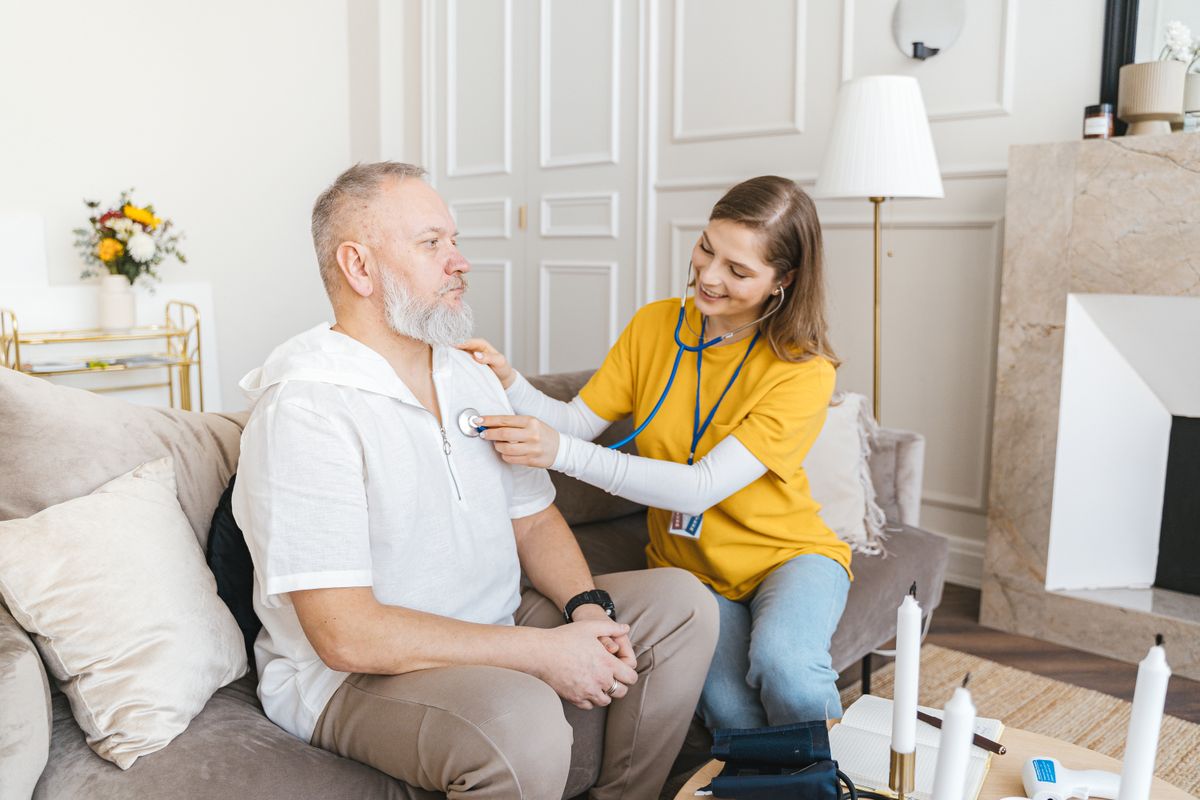
That ground-level knowledge is the foundation prevention is built on. It’s also the advantage that pure-technology entrants don’t have.
The opportunity: point-of-care diagnostics, AI blood panels and screening
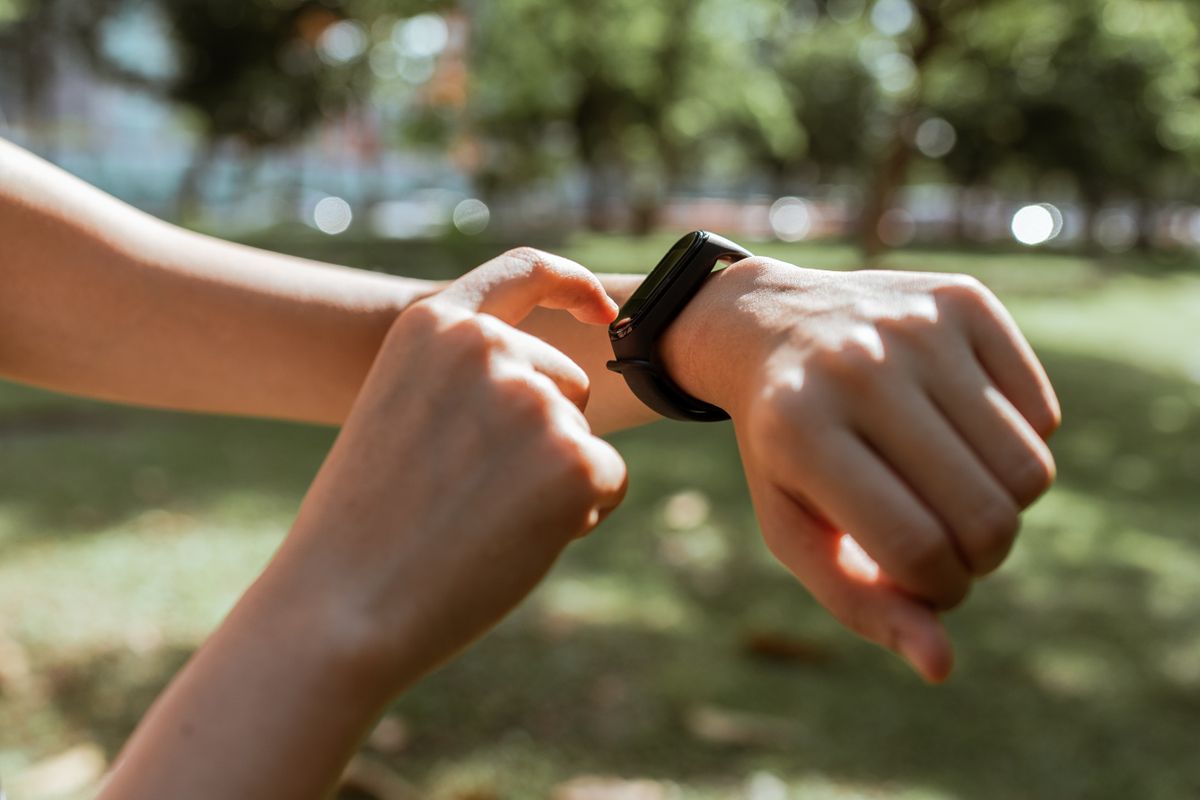
What’s changed is that proactive intervention is now scalable. Point-of-care diagnostics bring testing to the person — at home, in community hubs, during routine visits — with rapid results and no central-lab delay. AI-assisted blood panels read biomarkers for early risk in cardiovascular disease, diabetes and more, often well before symptoms surface.

Layer in wearables, imaging and routine bloodwork, and AI can turn multimodal data into personalised risk scores — flagging issues early enough to act. Home-based sampling and AI interpretation push access further still. The paradigm moves from treating advanced disease to intercepting it, which is where the real gains in both healthspan and cost live.
How GHS Medical Hub connects care, technology and outcomes
This is exactly what GHS Clinical and the GHS Medical Hub are built to do — connect frontline care expertise with diagnostics, data and intelligent tooling in one loop:
- Clinical services — care teams deliver hands-on support and real-world observation.
- Technology layer — point-of-care devices, AI blood panels, wearables and records feed live data.
- Predictive insight — models surface actionable, early alerts: nutrition plans, medication adjustments, lifestyle coaching, timely referrals.
- Outcomes loop — interventions are tracked against results, so the system keeps refining itself.

It leans on the strengths GHS already has — compliance discipline, a diverse “United Nations” workforce, and reliable supply chains — to deploy prevention at scale, especially for the vulnerable populations we already serve. And because this is regulated healthcare, it has to be done responsibly: ethics and privacy by design, bias-tested models, human-in-the-loop decisions, and rigorous data protection. The same operational discipline that makes hard sectors a moat is what makes predictive care safe enough to trust.
Why prevention is both a mission and a business
Prevention aligns purpose with economics. It reduces acute events, lowers system-wide cost, and opens durable revenue through value-based models, subscription wellbeing services and technology partnerships. For an operator, it means real diversification — diagnostics, data-informed services, outcomes-linked contracts — and genuine differentiation built on measurable improvements in people’s lives.
As a borderless builder, I also see prevention as a cross-border opportunity: UK operational rigour paired with insight that applies directly to high-need regions in Africa and beyond. The same model that protects a family in Bournemouth can strengthen a community thousands of miles away.
The future is earlier insight
The future of healthcare isn’t only in hospitals. It’s in earlier insight, smarter systems, and prevention before crisis.
Real healthcare innovation doesn’t come from abandoning operations for shiny technology. It comes from elevating proven operations with intelligence and foresight — building healthier communities, stronger outcomes, and more resilient businesses at the same time. That’s the future real operators are building today.
Building or investing at the intersection of care and technology? Get in touch — or explore the full portfolio.
Barney Kavai — entrepreneur, investor and Group CEO of GHS Group Holdings. Read his story →
Keep reading
All insights →Building in Hard Sectors: Why Real Operators Don't Hide in Easy Markets
Barney Kavai on why durable businesses are built in regulated care, agriculture and mining — the hard sectors where failure has consequences and discipline becomes a moat.
Read →What it really takes to scale a UK care business
Lessons from building GHS Group Holdings from a standing start into a multi-company group employing 60+ people.
Read →African Resource Wealth Must Create African Value
Barney Kavai on why Africa must own more of the resource value chain — beneficiation, world-class vaulting and asset-backed tokenised gold — to turn raw extraction into real prosperity.
Read →