


Phygital Precious Metals: Where Physical Gold Meets Digital Ownership
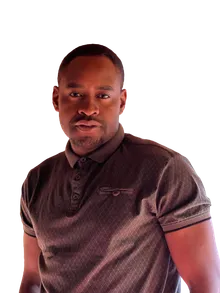
Barney Kavai explains the phygital model — gold held as audited bars in secure vaults and owned as asset-backed digital tokens — and why Africa is positioned to lead it.

“Phygital” is the seamless fusion of the physical and the digital. In precious metals it means gold that exists as verifiable bars in a secure vault, while simultaneously being owned and traded as fractional digital tokens on a blockchain — each token backed 1:1 by audited physical metal. This isn’t crypto speculation. It’s real-world asset tokenisation anchored in something you can weigh, assay and hold.
It’s a model I’m building toward through Kavai Precious Metals, and I think it’s how the next generation of resource ownership will work — especially in Africa. It’s the practical counterpart to a bigger argument I’ve made separately: that African resource wealth must create African value.
Gold is trusted — its ownership systems are not
Gold has held value for over five thousand years because it’s scarce, durable, portable and universally recognised. Central banks, institutions and individuals still hold it as a hedge against inflation, currency volatility and geopolitical risk. That trust isn’t going anywhere.
The ownership models, though, are outdated. Physical gold is often illiquid, expensive to store and move, and out of reach for most retail and emerging-market investors. Paper claims — ETFs, futures, certificates — solve some of that but reintroduce counterparty risk and detach you from the actual asset. The phygital model keeps full physical backing while adding digital fractional ownership, instant transfer and transparent provenance. You modernise participation without sacrificing the thing that made gold trustworthy in the first place.
Vaulting, auditability and compliance: the real foundation
The credibility of any phygital system lives in its infrastructure, not its marketing. Three things have to be genuinely world-class:
- Secure vaulting — accredited facilities with 24/7 security, full insurance and independent audits, holding bars that meet strict Good Delivery standards (minimum 99.5% purity, precise weight and markings).
- Auditability — regular third-party assays plus blockchain-recorded chain-of-custody, so holdings can be verified in real time, not taken on faith.
- Compliance — alignment with LBMA Responsible Gold Guidance, World Gold Council principles, OECD due diligence and local regulation, with provenance tracking that keeps conflict and illicit metal out.

Get these right and gold stops being a static asset and becomes a dynamic, trustworthy instrument. My approach is to build or partner for exactly this infrastructure — blending UK/EU standards of accountability with African on-ground execution. It’s the same operating discipline that makes hard sectors a moat.
How tokenisation unlocks liquidity and access
Tokenisation digitises ownership rights while the physical asset stays exactly where it is. The benefits compound:
- Fractional ownership — buy as little as a gram, dramatically lowering the barrier to entry.
- Liquidity — trade 24/7 with near-instant settlement, without ever moving the metal.
- Global access — diaspora investors, retail participants and institutions can all gain exposure to responsibly produced, African-sourced gold.
- Traceability — an immutable record of origin, refining and vaulting that satisfies the rising demand for ethical sourcing.

This is why my work in blockchain and fintech sits right next to precious metals. Done well, tokenised gold also becomes useful capital — collateral for lending, a building block for yield products, interoperable with stablecoins and, increasingly, with central-bank digital currencies — all while remaining fully asset-backed. The digital layer adds scale; the physical layer keeps it honest.

Why Africa can lead — if the infrastructure is built right
Africa produces a substantial share of the world’s gold yet has captured little of the downstream value. The phygital model is a way to reverse that. Local beneficiation and minting, paired with accredited vaulting, create genuinely high-trust assets. Tokenisation platforms can then channel diaspora remittances and global investment directly into productive African ventures — while responsible practice positions African gold as premium, ethical supply.
None of it is easy. It demands refining capacity, robust governance, technology partnerships and patient regulatory navigation. But my borderless experience — UK-regulated operations alongside African resource initiatives — is built for exactly this kind of bridge. The ambition with Kavai Precious Metals is to show that Africa can move from raw exporter to sophisticated owner and innovator in the phygital economy.
The foundation and the scale
Digital assets need real-world trust. Gold gives the foundation; technology gives the scale.
The convergence of physical gold and digital ownership is already reshaping global finance. With the right infrastructure — and operators willing to build it properly — Africa can lead this shift rather than follow it. That’s not only financial innovation. It’s economic sovereignty, expressed in a form the whole world can invest in.
Building or investing in responsibly built phygital precious metals? Get in touch — or explore the full portfolio.
Barney Kavai — entrepreneur, investor and Group CEO of GHS Group Holdings. Read his story →
Keep reading
All insights →African Resource Wealth Must Create African Value
Barney Kavai on why Africa must own more of the resource value chain — beneficiation, world-class vaulting and asset-backed tokenised gold — to turn raw extraction into real prosperity.
Read →The Borderless Founder: Why Diaspora Entrepreneurs Will Build Africa's Next Growth Wave
Barney Kavai on why living between the UK and Southern Africa is a strategic advantage — and how diaspora founders bridge capital, trust and talent to build Africa's next growth wave.
Read →Borderless by design: the diaspora entrepreneur advantage
Why founders who live between two worlds are uniquely placed to build the next wave of African enterprise.
Read →