


African Resource Wealth Must Create African Value
Barney Kavai on why Africa must own more of the resource value chain — beneficiation, world-class vaulting and asset-backed tokenised gold — to turn raw extraction into real prosperity.

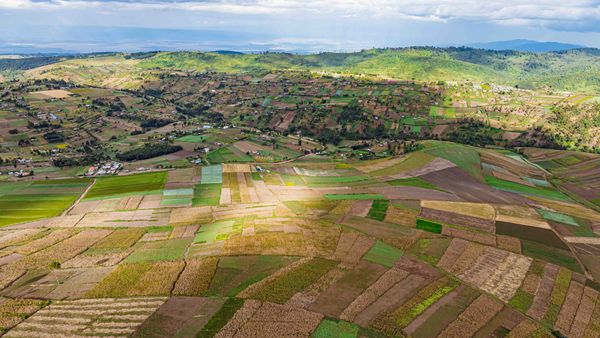
Africa is extraordinarily rich in resources — gold, lithium, platinum, diamonds and critical minerals worth trillions. Yet for decades the economics have run one way: raw material ships out, and the value that actually compounds — refining, manufacturing, branding, financialisation — gets captured somewhere else. The continent supplies the world’s wealth and keeps too little of it.
That has to change, and I believe my generation of diaspora builders is positioned to change it. Through Kavai Precious Metals, my argument is simple: Africa must move from being a supplier of raw commodities to owning more of the entire value chain.
The historic problem: producing wealth, capturing too little
Gold tells the story. Africa produces a significant share of global output, but much of it leaves as doré or concentrate. The downstream stages — refining, minting, jewellery, vaulting, digital products — generate multiples of the raw value, and they happen elsewhere. The result is lost jobs, stalled industrialisation, and a permanent dependence on volatile commodity prices we don’t control.
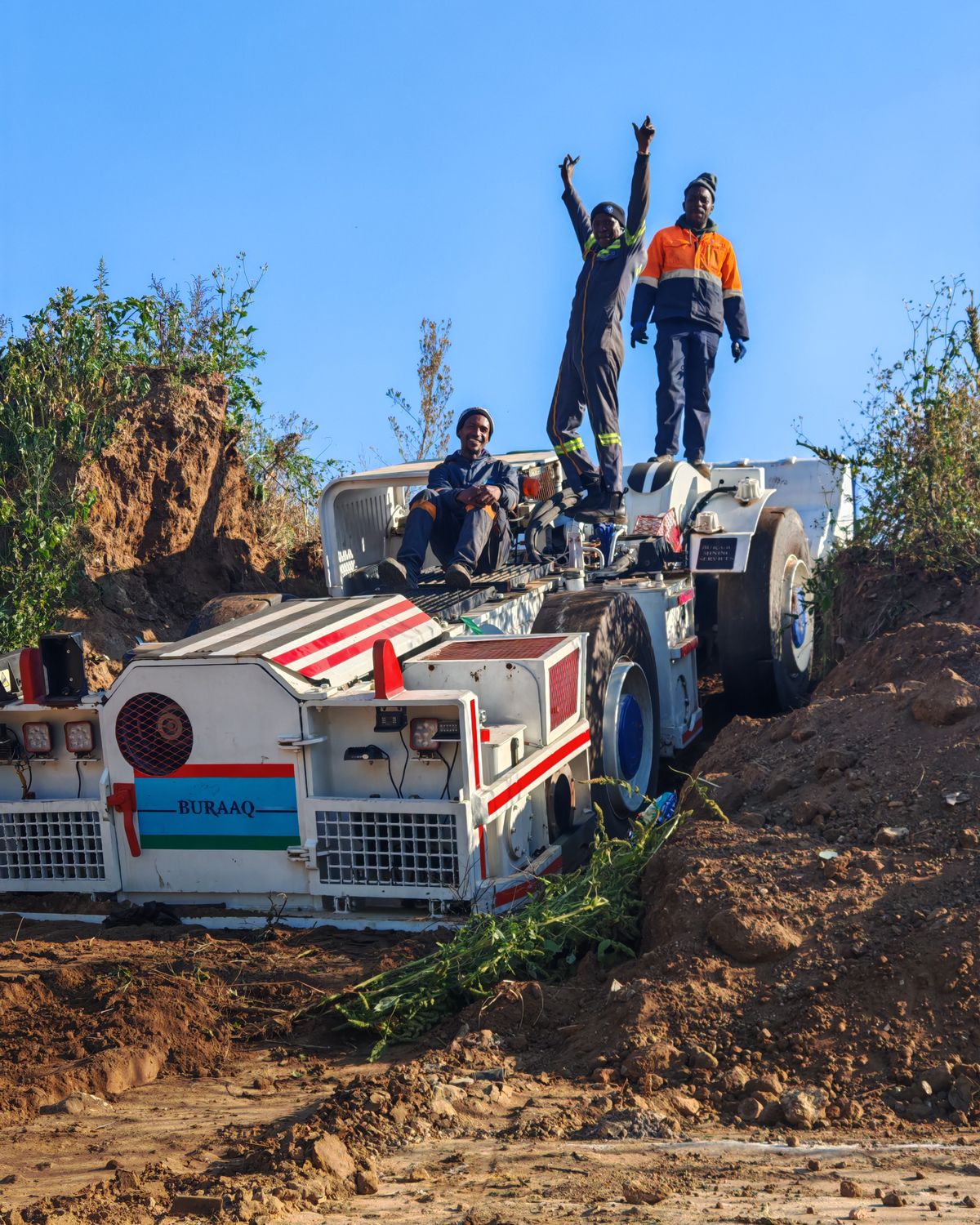
This isn’t an argument against extraction. It’s an argument against stopping at extraction.
Why beneficiation is economic sovereignty
Beneficiation — transforming raw minerals into higher-value products — is the heart of resource sovereignty. Across the continent, governments are accelerating it: export restrictions on raw minerals, mandatory local processing, incentives for in-country refining. For gold, that means moving from exporting unrefined doré to building domestic refineries, minting and jewellery industries at home.
The maths is compelling. Each processing stage can add real percentage points of value, create skilled jobs, and retain foreign exchange. I don’t see this as protectionism — I see it as strategic industrial policy. Through Kavai Precious Metals the focus is responsible participation: prioritising local value addition, compliance with fast-evolving regulation, and long-term infrastructure rather than quick raw exports. It aligns with the Africa Mining Vision and a resource nationalism that, done well, demands development outcomes alongside extraction.
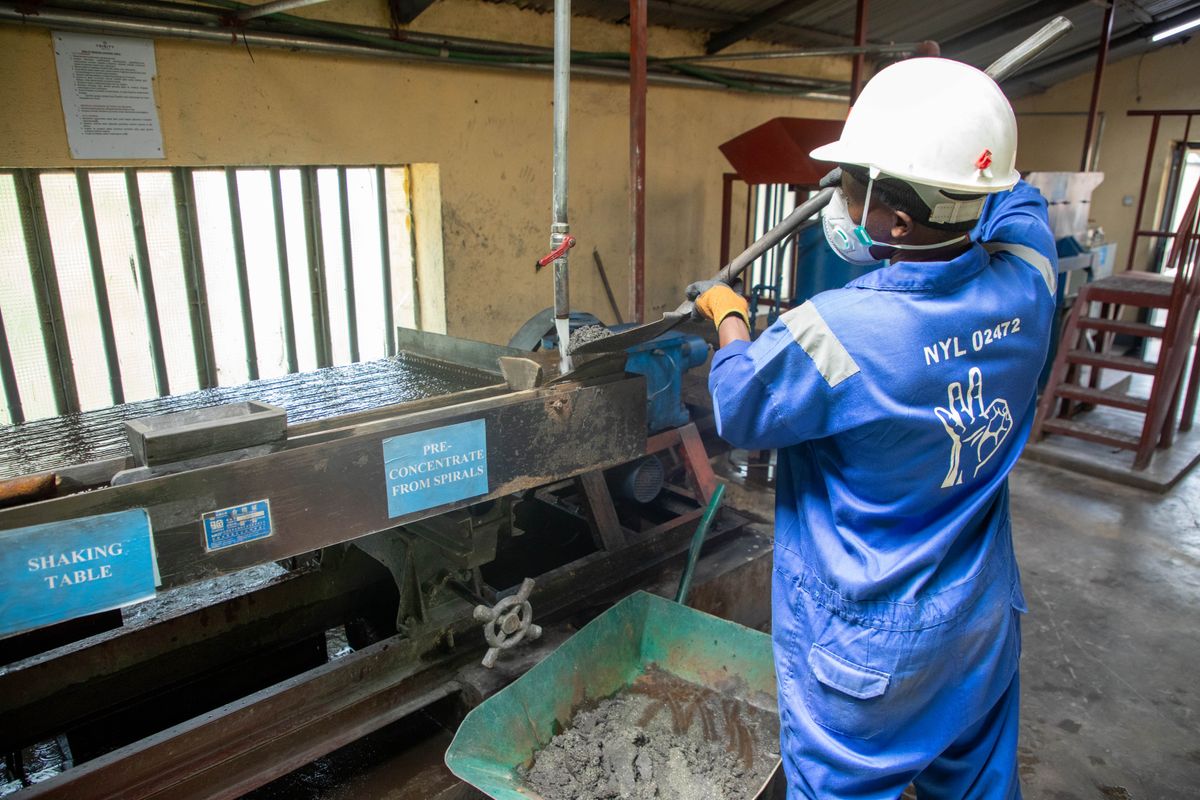
It’s also hard — capital-intensive, regulation-heavy, execution-dependent. But that’s the terrain where real operators build lasting impact, not the easy markets.
Physical gold, vaulting, and global investor access
Owning the value chain goes beyond processing into storage, trust and market access. Serious capital — and central banks — require world-class vaulting that meets international standards. That means secure, insured, transparent storage with verifiable provenance, the kind that can support fractional ownership, lending and trading.
This is where credibility is won. Refined African gold that meets global benchmarks — LBMA Good Delivery quality, OECD-aligned responsible sourcing — can enter premium markets and attract responsible international capital. It’s also exactly where diaspora operators add value: pairing UK/EU governance standards with African on-ground execution to build facilities and systems that satisfy both local priorities and global investors.

Tokenised precious metals: modern ownership, still asset-backed
Tokenisation — representing physical gold as digital tokens on a blockchain, each backed 1:1 by audited, vaulted metal — is a powerful modernisation tool. It combines the timeless security of gold with the liquidity, divisibility and reach of digital assets. For Africa specifically, the upside is concrete:
- Broader participation — fractional ownership lowers the barrier for retail and institutional investors worldwide.
- Transparency — on-chain records of provenance reduce smuggling and illicit flows.
- Capital formation — tokenised assets can channel diaspora remittances and global capital into productive African projects.
- New products — monetisation that still retains real physical backing.

This is why my interests in blockchain and fintech sit alongside precious metals. Integrate beneficiation, accredited vaulting and tokenisation, and you get something the continent has never fully owned: an end-to-end, African-controlled value chain from mine to mint to digital ledger.
Gold is the beginning, not the end
Gold is the entry point — liquid, culturally rooted, and monetary by nature. The capabilities you build refining and trading it transfer to platinum group metals, diamonds, lithium and rare earths. A full strategy adds integrated mining-and-processing hubs, skills and local content, genuine ESG practice, and cross-border partnerships that bring technology and capital while respecting sovereignty. For a borderless founder, that’s the whole point: using international credibility to build African-owned capacity.
The future isn’t only mining African gold. The future is African ownership of the value chain.
The era of raw extraction is ending. The age of African value creation is beginning — and it will be built by operators willing to do the hard, patient work of owning more of the chain.
Building or investing in responsible African resource value chains? Get in touch — or explore the full portfolio.
Barney Kavai — entrepreneur, investor and Group CEO of GHS Group Holdings. Read his story →
Keep reading
All insights →Phygital Precious Metals: Where Physical Gold Meets Digital Ownership
Barney Kavai explains the phygital model — gold held as audited bars in secure vaults and owned as asset-backed digital tokens — and why Africa is positioned to lead it.
Read →The Borderless Founder: Why Diaspora Entrepreneurs Will Build Africa's Next Growth Wave
Barney Kavai on why living between the UK and Southern Africa is a strategic advantage — and how diaspora founders bridge capital, trust and talent to build Africa's next growth wave.
Read →Borderless by design: the diaspora entrepreneur advantage
Why founders who live between two worlds are uniquely placed to build the next wave of African enterprise.
Read →